

Stroke and Paralysis: Understanding, Causes, Symptoms, and Treatment Options
A stroke is one of the leading causes of long-term disability worldwide, with paralysis being one of its most severe consequences. The impact of a stroke on a person’s life can be profound, affecting not only physical ability but also emotional and social well-being. Paralysis, which occurs when there is a loss of movement or function in one or more parts of the body, is often a direct result of the brain damage caused by a stroke
What is a Stroke?
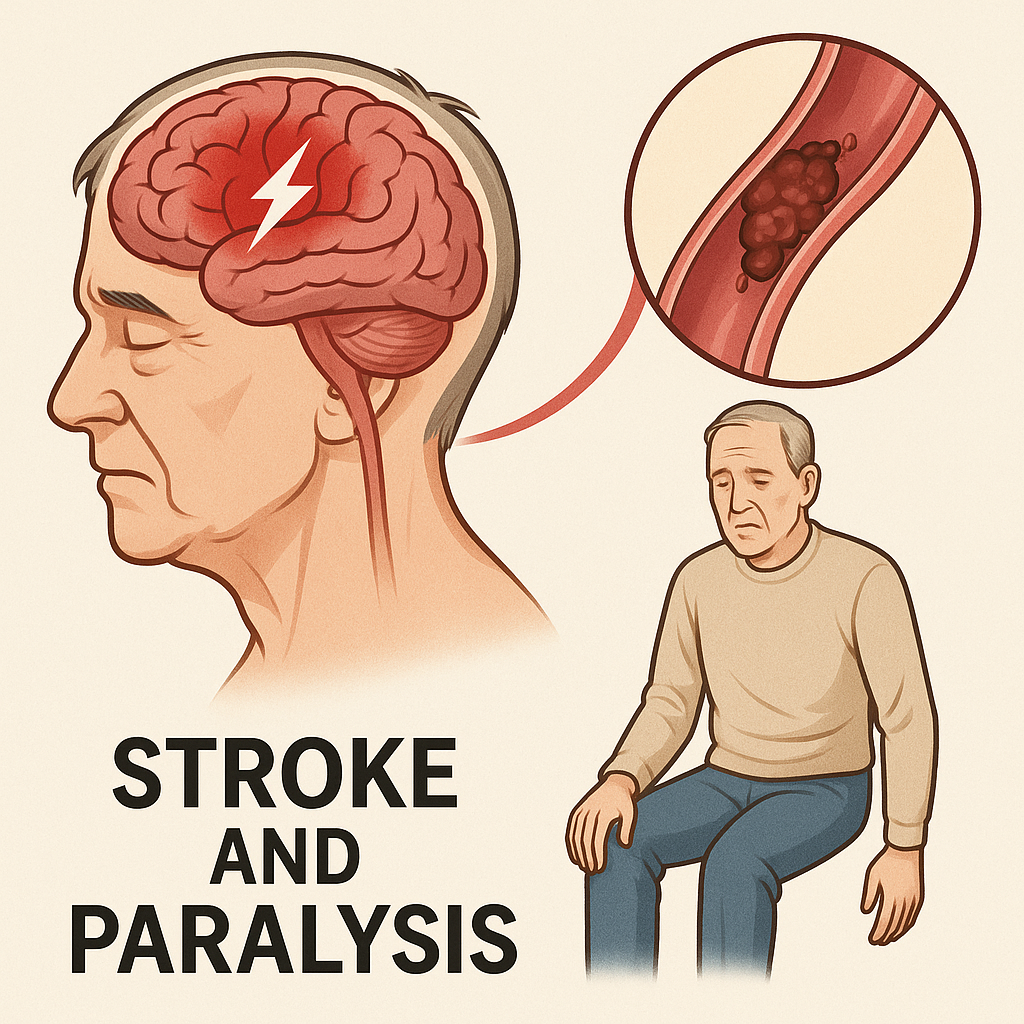
A stroke occurs when there is a sudden disruption of blood flow to the brain, leading to brain cell damage or death. This interruption in blood supply can be caused by:
Ischemic Stroke: The most common type of stroke, caused by a blockage (such as a blood clot) that restricts blood flow to a part of the brain.
Haemorrhagic Stroke: Occurs when a blood vessel in the brain ruptures, causing bleeding in or around the brain.
Transient Ischemic Attack (TIA): Often referred to as a “mini-stroke,” a TIA is a temporary blockage of blood flow to the brain that causes short-term symptoms but typically does not result in lasting brain damage.
When blood flow is interrupted, brain cells start to die, and the affected area of the brain loses its ability to function properly. Depending on the area of the brain that is damaged, different physical, cognitive, and emotional functions can be impaired.
How Does a Stroke Cause Paralysis?
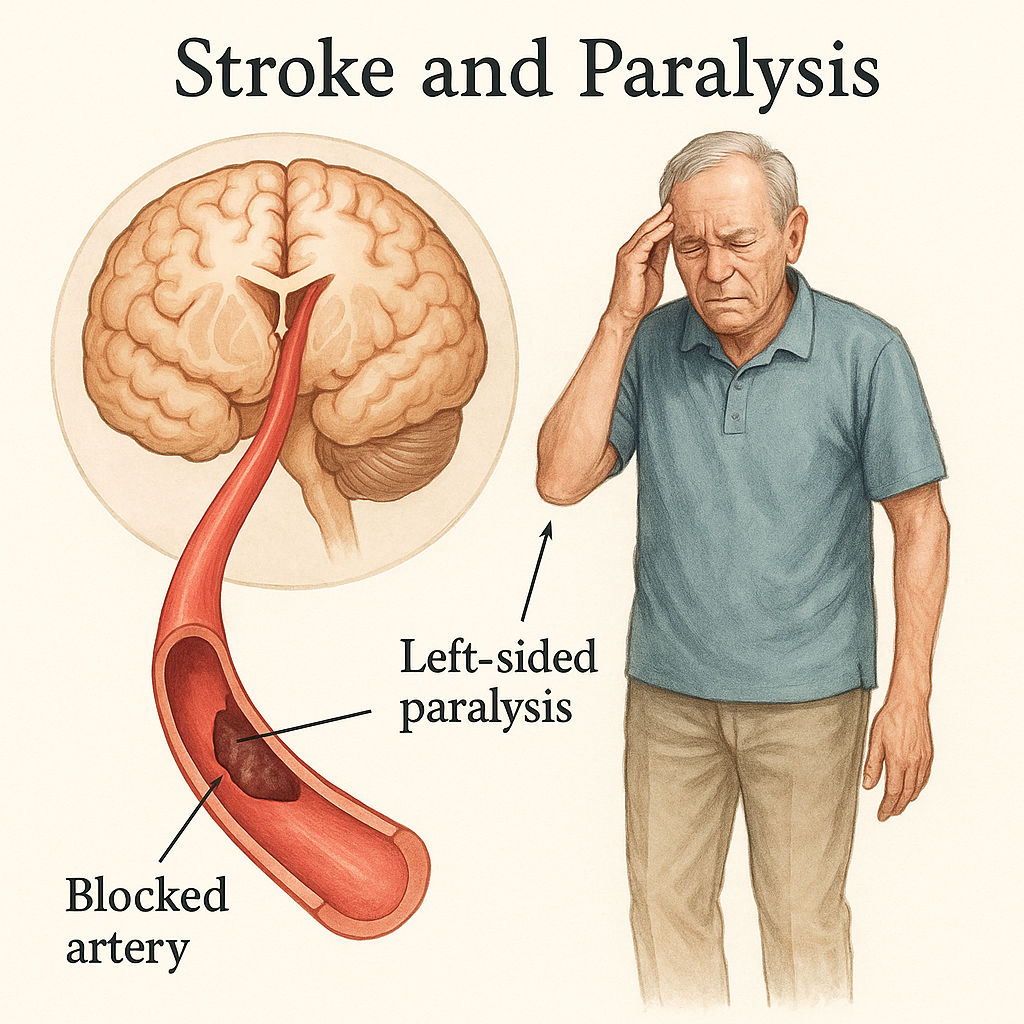
Paralysis after a stroke occurs when the brain’s ability to control movement is compromised due to the damage caused by the interruption of blood flow. The brain’s motor cortex, which is responsible for sending signals to the muscles of the body, can be severely impacted depending on which part of the brain is affected by the stroke.
Damage to the right side of the brain
can result in paralysis on the left side of the body (because the brain controls the opposite side of the body).
Damage to the left side of the brain
can result in paralysis on the right side of the body.
A stroke in the brainstem
can lead to paralysis of both sides of the body, or even total body paralysis
Treatment for Stroke and Paralysis
Recovery from a stroke, including the management of paralysis, is a long-term process that often requires a combination of medical interventions, rehabilitation therapies, and support. Treatment options may include:
1. Immediate Medical Treatment for Stroke
Thrombolytics (Clot-Busting Drugs): For ischemic strokes, clot-busting drugs like tissue plasminogen activator (tPA) can help dissolve the clot and restore blood flow to the brain. These medications are most effective when administered within the first few hours of the stroke.
Surgical Interventions: In some cases, surgery may be required to remove blood clots (for hemorrhagic strokes) or repair damaged blood vessels.
2. Rehabilitation
Rehabilitation plays a crucial role in recovery after a stroke, especially when paralysis is involved. The goal of rehabilitation is to help patients regain as much function and independence as possible. Key components of stroke rehabilitation may include:
Physical Therapy: Physical therapy helps improve muscle strength, coordination, and mobility. Patients may work on exercises to regain function in the affected limbs, improve balance, and relearn basic movements such as walking and sitting.
Occupational Therapy: Occupational therapy focuses on improving the ability to perform everyday activities, such as dressing, eating, or using the bathroom. It also helps individuals regain fine motor skills, such as gripping objects or writing.
Speech Therapy: If the stroke has affected speech or swallowing, speech therapy can help patients recover their ability to communicate and eat safely.
Neuroplasticity: The brain has a remarkable ability to reorganize itself after an injury, a process known as neuroplasticity. Therapies that stimulate neuroplasticity, such as repetitive exercises, task practice, and electrical stimulation, can promote recovery of motor functions.
Types of Paralysis Caused by Stroke
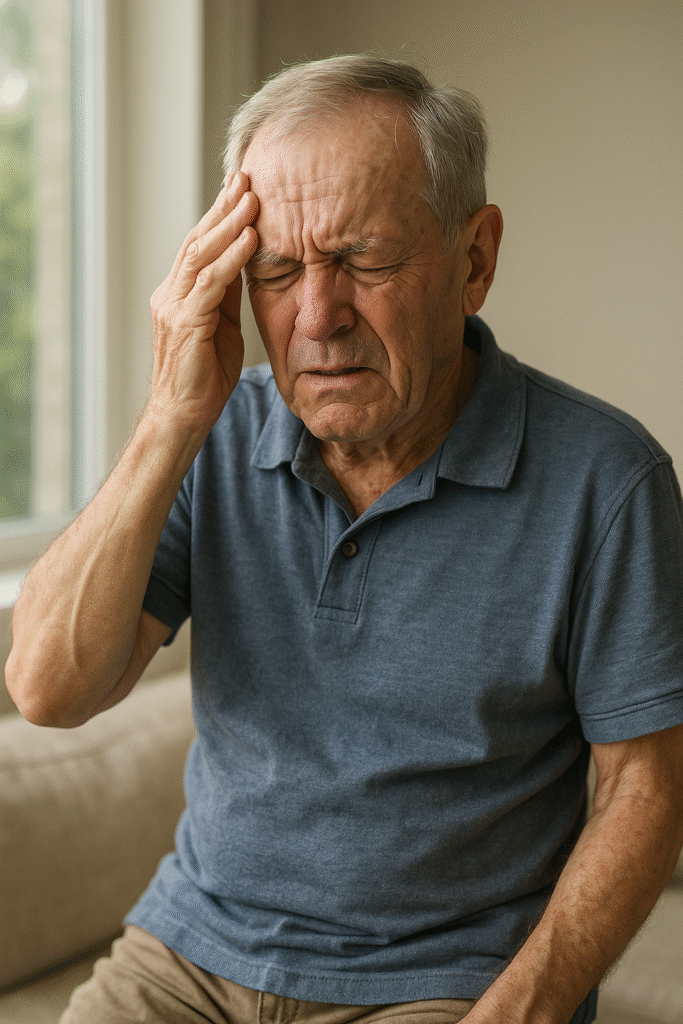
The type and extent of paralysis after a stroke vary depending on which part of the brain is affected. Some common types of paralysis seen after a stroke include:
Hemiplegia
Hemiplegia refers to paralysis affecting one side of the body. It is the most common form of paralysis after a stroke, and it occurs when the stroke affects the motor cortex or pathways controlling the movement of the limbs. Hemiplegia can affect the arm, leg, and face on one side of the body, often leading to difficulty with walking, balance, and performing everyday tasks.
Hemiparesis
Hemiparesis is a partial paralysis or weakness on one side of the body. Unlike hemiplegia, where the muscles are completely paralyzed, hemiparesis means the muscles are weakened but still capable of some movement. Individuals with hemiparesis may experience difficulty with strength, coordination, or fine motor control but can sometimes regain some function through rehabilitation.
Monoplegia
Monoplegia refers to paralysis affecting just one limb, either the arm or leg, often on one side of the body. This type of paralysis can result from a stroke that damages a specific area of the brain controlling the motor functions of a single limb.
Quadriplegia
Quadriplegia (also known as tetraplegia) refers to paralysis affecting all four limbs, including both the arms and both legs. This type of paralysis is typically caused by a stroke affecting the brainstem, which controls vital bodily functions and movement.
Symptoms of Stroke-Related Paralysis
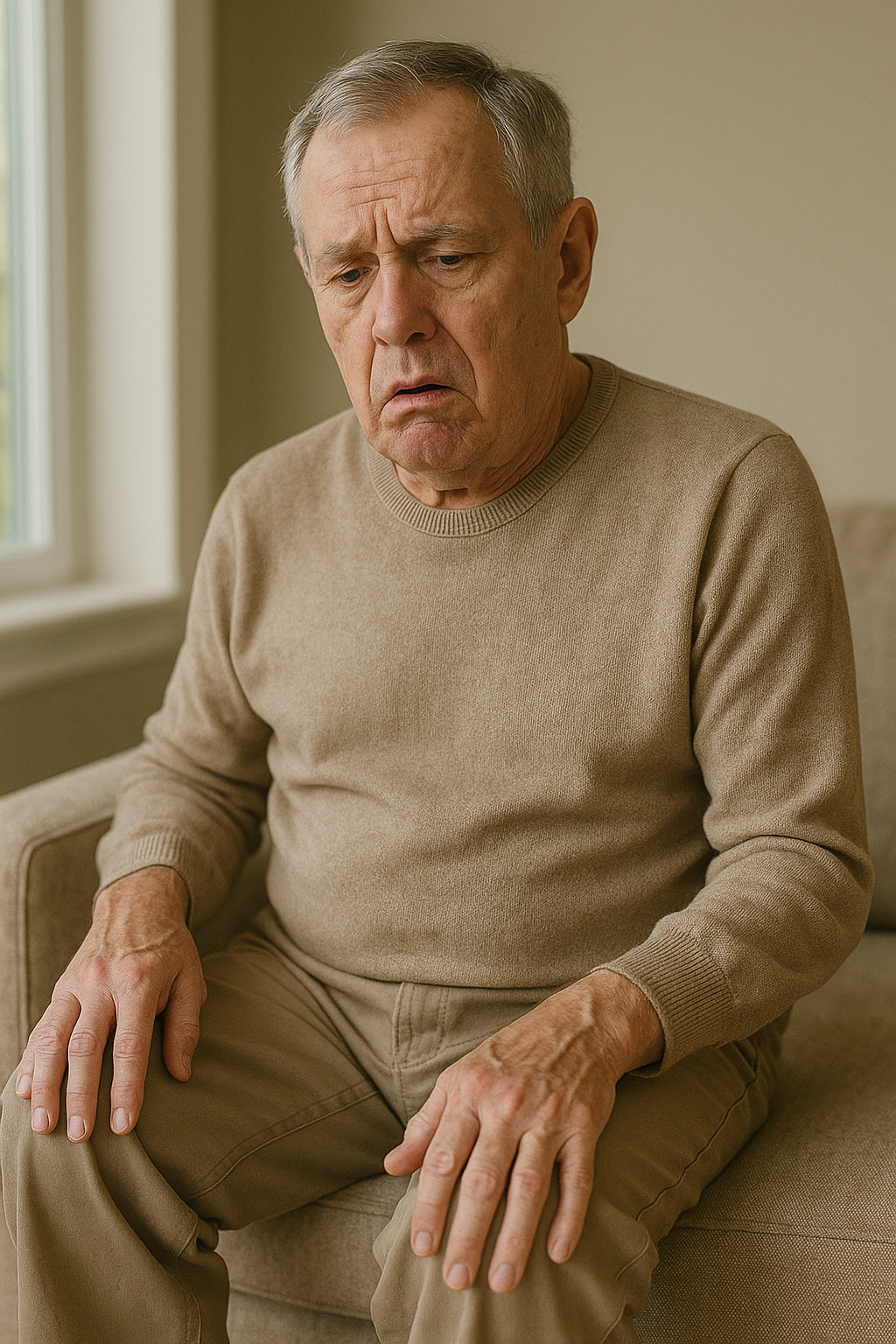
The symptoms of paralysis caused by a stroke can vary widely, but they generally include:
- Weakness or inability to move one side of the body.
- Loss of coordination and balance.
- Difficulty speaking or understanding speech (aphasia).
- Drooping of the face, particularly on one side.
- Inability to swallow or difficulty swallowing (dysphagia).
- Difficulty walking or using the arms and hands.
- Muscle stiffness or spasms (spasticity).
If you notice any of these symptoms in yourself or others, it is critical to seek immediate medical attention. The sooner a stroke is diagnosed and treated, the better the chance of minimizing long-term damage.
Preventing Future Strokes
For individuals who have experienced a stroke, preventing future strokes is a key part of treatment. Lifestyle changes, medications, and regular medical check-ups can help reduce the risk of recurrent strokes. These may include:
- Managing high blood pressure, diabetes, and cholesterol levels.
- Quitting smoking and reducing alcohol intake.
- Eating a heart-healthy diet rich in fruits, vegetables, and whole grains.
- Engaging in regular physical activity to improve cardiovascular health.