What is Sciatica?
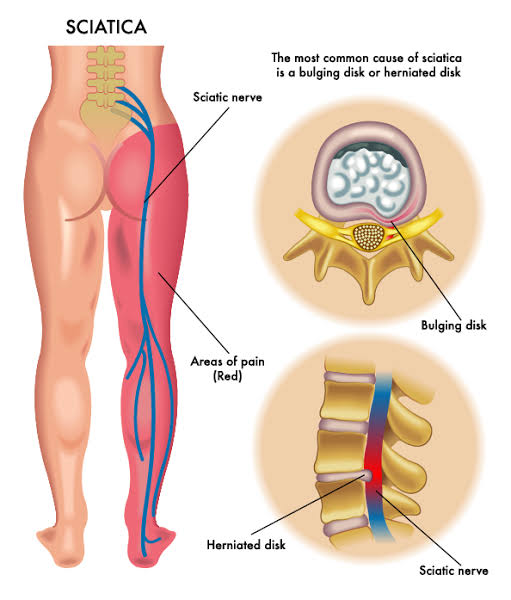
Sciatica is a common yet often misunderstood condition that affects millions of people worldwide. While many associate sciatica with lower back pain, it is actually a specific type of pain that radiates along the path of the sciatic nerve, which runs from the lower back through the hips and buttocks and down each leg.
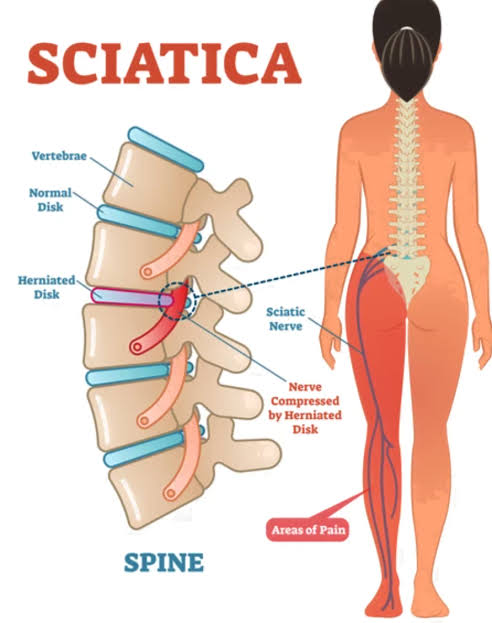
sciatic nerve is the largest and longest nerve in the body, stretching from the lower spine to the feet. It controls the muscles of the lower leg and provides sensation to the skin of the feet and most of the lower leg. When something compresses or irritates the sciatic nerve—often a herniated disc, bone spur, or spinal stenosis—the result can be pain that radiates down the leg, often starting in the lower back or buttock.
Sciatica can vary greatly in severity, from mild discomfort to intense, debilitating pain.
Common Causes of Sciatica
Sciatica is typically caused by a problem in the lower spine. The most common causes include:
Herniated or Bulging Disc
A herniated disc occurs when the soft inner part of a spinal disc pushes through its tough outer layer and presses on nearby nerves. If a disc in the lower back (lumbar spine) herniates and compresses the sciatic nerve, it can result in sciatica.
Spinal Stenosis
Spinal stenosis is the narrowing of the spaces within the spine, which can put pressure on the nerves. In cases of lumbar spinal stenosis, this narrowing affects the sciatic nerve, leading to pain, numbness, or weakness in the legs.
Degenerative Disc Disease
As we age, the discs in our spine can lose hydration and elasticity, which reduces their ability to cushion the vertebrae. This degeneration can lead to conditions like herniated discs, increasing the risk of sciatica.
Bone Spurs
Bone spurs, or osteophytes, are bony projections that can develop along the edges of the spine. These growths can narrow the space available for nerves, including the sciatic nerve, causing compression and pain.
Spondylolisthesis
Spondylolisthesis occurs when one vertebra slips forward over the one beneath it. This misalignment can pinch or compress the sciatic nerve, leading to sciatica symptoms.
Piriformis Syndrome
In rare cases, the piriformis muscle—a small muscle located deep in the buttock—can irritate or compress the sciatic nerve, causing pain similar to sciatica. This condition is known as piriformis syndrome
Trauma or Injury
Accidents, falls, or other traumatic events can cause damage to the spine, leading to nerve compression and sciatica.
Pregnancy
During pregnancy, the growing uterus can place pressure on the sciatic nerve, causing pain that radiates through the lower back and legs. This condition, called pregnancy-related sciatica, usually resolves after childbirth.
Symptoms of Sciatica
The symptoms of sciatica can vary widely depending on the underlying cause, but they typically include:
Pain: Sciatica pain usually begins in the lower back or buttocks and radiates down one leg. The pain may be sharp, burning, or shooting and can be aggravated by standing, sitting, or moving.
Numbness or Tingling: Many people with sciatica experience a “pins and needles” sensation or numbness that travels down the leg, particularly in the foot or toes.
Weakness: In some cases, sciatica can cause weakness in the affected leg or foot, making it difficult to walk or perform everyday activities.
Worsening Symptoms with Movement: Activities like sitting for extended periods, bending forward, or lifting can worsen sciatica symptoms.
Pain Relief When Lying Down: Some people find relief from sciatica pain when lying on their back or in certain positions that relieve pressure on the sciatic nerve.
Preventing Sciatica
While it may not be possible to completely prevent sciatica, there are steps you can take to reduce your risk:
Practice Good Posture: Maintain proper posture while sitting, standing, and lifting to reduce strain on your spine.
Exercise Regularly: Strengthening your core muscles and improving flexibility can help support your spine and reduce the risk of sciatica.
Avoid Prolonged Sitting: Take frequent breaks from sitting to stretch and move around.
Lift Properly: When lifting objects, use your legs (not your back) and avoid twisting your body.
Maintain a Healthy Weight: Excess weight can place additional stress on your lower back and spine, increasing the risk of sciatica.