

Headache and Migraine
Headaches and migraines are common yet often debilitating conditions that can significantly impact daily life. While they may seem similar, headaches and migraines have different causes, symptoms, and treatment options. Understanding these distinctions is crucial in managing and finding the right treatment. Whether you’re dealing with occasional tension headaches or chronic migraines, there are effective ways to manage and reduce the frequency and intensity of these painful episodes.
Types of Headaches
Before diving into treatment options, it’s important to distinguish between the two most common types of headaches:
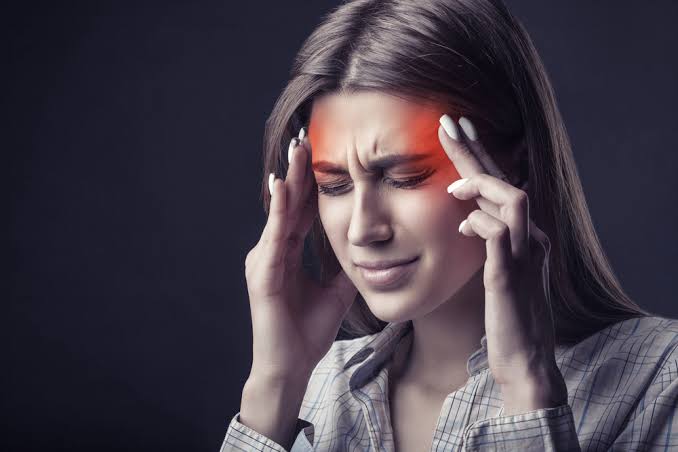
Tension Headaches: These are the most common type of headache. They are often described as a dull, aching pain that wraps around the forehead, temples, or the back of the head. Tension headaches may occur due to stress, muscle tension, poor posture, or lack of sleep.
Migraines: Migraines are more severe and are usually accompanied by other symptoms, including nausea, vomiting, and sensitivity to light and sound. They often occur in phases, beginning with an aura (visual disturbances) or prodrome (early warning signs like mood changes or fatigue), followed by intense, throbbing pain that typically affects one side of the head.
Lifestyle Changes and Preventive Measures:
Making certain lifestyle changes can help reduce the frequency of headaches and migraines:
Identify and Avoid Triggers
Common migraine triggers include certain foods (like chocolate, cheese, or caffeine), hormonal changes, stress, and lack of sleep. Keeping a headache diary can help pinpoint specific triggers.
Maintain a Regular Sleep Schedule
Both too little and too much sleep can trigger headaches. A consistent sleep pattern helps regulate your body’s internal clock, reducing the risk of headache onset.
Manage Stress
Incorporating relaxation techniques such as deep breathing, yoga, or meditation into your daily routine can help lower stress levels and reduce the frequency of headaches.
Hydration and Diet
Dehydration is a common trigger for headaches. Drinking plenty of water throughout the day and maintaining a balanced diet rich in fruits, vegetables, and whole grains can support overall health and reduce headache frequency.
When to Seek Medical Attention
While most headaches can be treated at home with over-the-counter remedies or lifestyle changes, some situations require medical attention. Seek immediate care if you experience any of the following:
- A sudden, severe headache unlike any you’ve had before (could be a sign of a serious condition like an aneurysm).
- Persistent headaches that worsen over time or become more frequent.
- Neurological symptoms such as weakness, numbness, or difficulty speaking, which could signal a stroke.
- Headaches that are accompanied by a fever, neck stiffness, or a rash.
Sphenopalatine Ganglion Block for Headache Treatment
Headaches and migraines can be debilitating, often affecting a person’s quality of life and daily activities. While traditional treatments like over-the-counter medications, prescription drugs, and lifestyle changes are common, newer approaches are gaining attention for their potential to provide relief. One such treatment is the sphenopalatine ganglion (SPG) block, a technique that has shown promise in reducing the severity and frequency of headaches, including migraines and cluster headaches.
What is the Sphenopalatine Ganglion (SPG)?
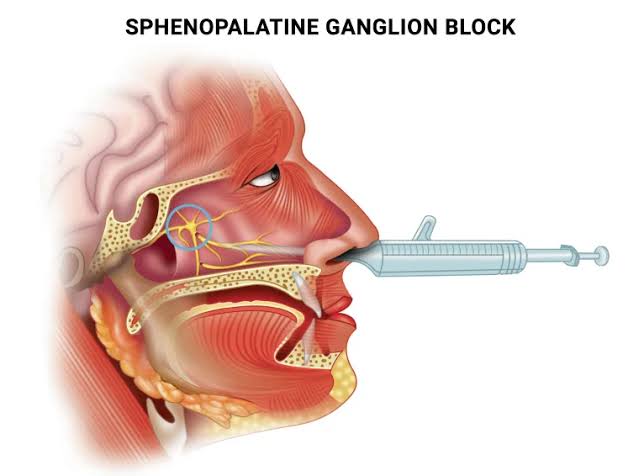
The sphenopalatine ganglion (SPG) is a cluster of nerve cells located deep within the face, behind the nasal cavity, near the sphenoid bone (hence the name “sphenopalatine”). It is a key structure in the autonomic nervous system, which controls bodily functions like heart rate, digestion, and, importantly, pain sensation in the head. Stimulating or blocking the SPG can interrupt the pain pathways associated with these conditions, leading to relief from the headache symptoms.
How Does the Sphenopalatine Ganglion Block Work?
An SPG block involves the targeted application of an anesthetic to the sphenopalatine ganglion. The goal is to block the nerve signals that transmit pain and inflammation from the head to the brain. This can help alleviate the pain of a current headache or prevent future attacks.
Benefits of Sphenopalatine Ganglion Block
1. Migraine Relief: SPG blocks have been shown to significantly reduce the severity of migraines. Many patients report almost immediate relief after the procedure, often within 30 minutes to an hour. In some cases, the effects can last for several weeks or longer.
2. Cluster Headache Treatment: Cluster headaches are another type of severe headache that can be extremely difficult to treat. SPG blocks are particularly effective in providing relief from the excruciating pain of cluster headaches, which tend to occur in “clusters” over a period of weeks or months.
Who Should Consider an SPG Block?
An SPG block may be a viable option for individuals who experience:
Chronic migraines
Especially if other treatments (e.g., medications, lifestyle changes) have not provided adequate relief.
Cluster headaches
These are notoriously difficult to treat, and an SPG block can offer significant pain relief.
Medication overuse headaches
For individuals who experience headaches as a result of frequent use of painkillers, an SPG block may help reduce reliance on medications.
Those seeking a non-invasive treatment option
For patients who prefer to avoid more invasive treatments or who are sensitive to the side effects of certain headache medications.
Conclusion
The sphenopalatine ganglion (SPG) block is a promising and effective treatment option for people suffering from chronic headaches, including migraines and cluster headaches.
Greater Occipital Nerve Block for Headache Treatment
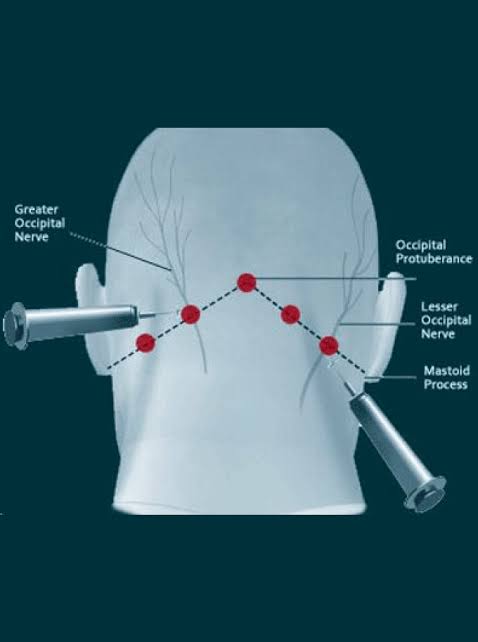
A greater occipital nerve block is a procedure where a local anesthetic (and sometimes a steroid medication are injected around the greater occipital nerve. This block helps numb the nerve, preventing pain signals from reaching the brain. It can provide temporary or long-lasting relief from headache pain, depending on the cause and the individual’s response to the treatment.
It can be done in an outpatient setting and is considered a relatively simple and low-risk procedure.
How Does a Greater Occipital Nerve Block Work?
During the procedure, the healthcare provider will carefully locate the greater occipital nerve, which is found at the back of the head, just above the nape of the neck. The area is cleaned and sterilized, and a needle is inserted near the nerve. The anesthetic and/or steroid medication is then injected around the nerve.
The entire procedure typically takes just a few minutes, and most patients experience relief within 15-30 minutes of the injection. The effects can last for several days to several weeks, depending on the individual and the underlying cause of the headache.
Who Can Benefit from a Greater Occipital Nerve Block?
A greater occipital nerve block may be particularly helpful for individuals suffering from:
Chronic Migraines
For people with frequent, debilitating migraines, especially those that don’t respond well to other treatments
Occipital Neuralgia
This condition occurs when the greater occipital nerve becomes irritated or inflamed, causing sharp, shooting pain in the back of the head and neck. GON blocks are an effective treatment for occipital neuralgia.
Tension-Type Headaches
Some people with chronic tension headaches that involve tightness or pain at the back of the head or neck may find relief from a GON block.
Post-Headache Surgery Pain
For patients recovering from head or neck surgeries, a GON block can help manage residual headache pain.
People who have not responded to other headache treatments or who are looking for a non-drug-based approach may also consider this option.