

What is Cervical Spondylosis?
Cervical spondylosis refers to the age-related degeneration of the cervical spine (the neck portion of your spine), including the intervertebral discs, vertebrae, ligaments, and joints. As the discs between the vertebrae lose hydration and elasticity over time, they can shrink or bulge, causing the bones to rub against each other. This wear and tear can lead to the development of bone spurs, which can further narrow the space available for the spinal cord and nerves.
While cervical spondylosis is most commonly seen in individuals over the age of 40, it can also affect younger people, especially those with a history of neck injuries, poor posture, or repetitive strain.
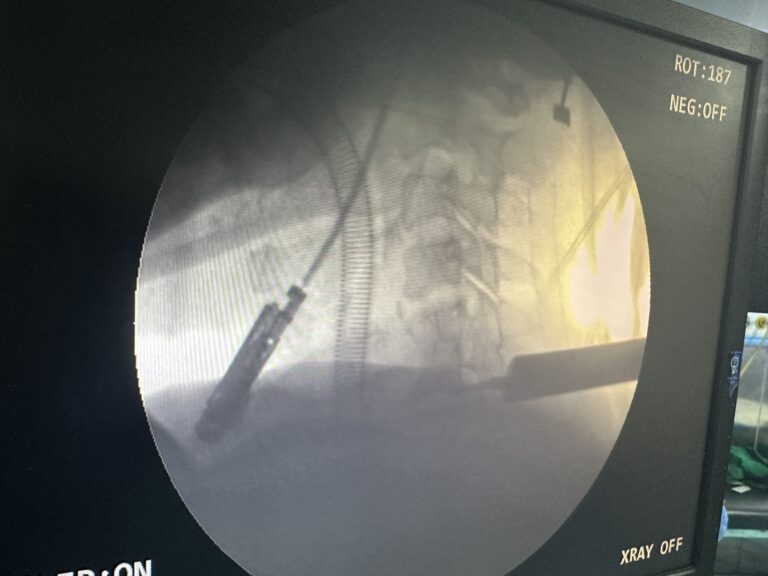
Common Symptoms of Cervical Spondylosis
Neck Pain and Stiffness
Shoulder and Arm Pain
Headaches
Muscle Weakness
Loss of Coordination
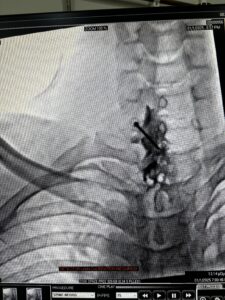
Risk factors include:
Poor Posture: Habitual poor posture, such as slouching or craning the neck forward while using electronic devices, can accelerate wear and tear on the cervical spine.
Repetitive Strain: Jobs or activities that involve repetitive neck movements or heavy lifting can increase the risk of cervical spondylosis.
Injuries: Previous neck injuries, such as whiplash, can contribute to the development of spondylosis over time.
Genetics: A family history of spinal conditions may increase the likelihood of developing cervical spondylosis.
Preventing Cervical Spondylosis and Neck Pain
Maintain Good Posture
Proper posture is essential for preventing strain on the neck and spine. Keep your head aligned with your body and avoid slouching, especially when sitting for long periods. Ergonomic adjustments to your workstation can also help prevent neck strain.
Exercise Regularly
Strengthening the muscles that support your neck and improving your flexibility can reduce the likelihood of injury and discomfort. Activities like yoga, Pilates, or swimming are particularly beneficial for neck health.
Take Frequent Breaks:
If your job or daily activities require prolonged sitting or repetitive movements, be sure to take regular breaks. Get up, stretch, and move around to relieve pressure on your neck and spine.
Use Proper Sleeping Positions
Sleeping on your back or side with a supportive pillow can help keep your neck in a neutral position. Avoid sleeping on your stomach, as this can strain the neck.
Stay Hydrated
Keeping the discs in your spine hydrated is crucial for their health. Drink plenty of water throughout the day to maintain optimal disc function.
Limit Technology Use
The “tech neck” phenomenon, where people spend excessive time hunched over smartphones and computers, can accelerate neck strain. Limit screen time, use devices at eye level, and take breaks from looking down at screens.